

Rwanda, Nziza
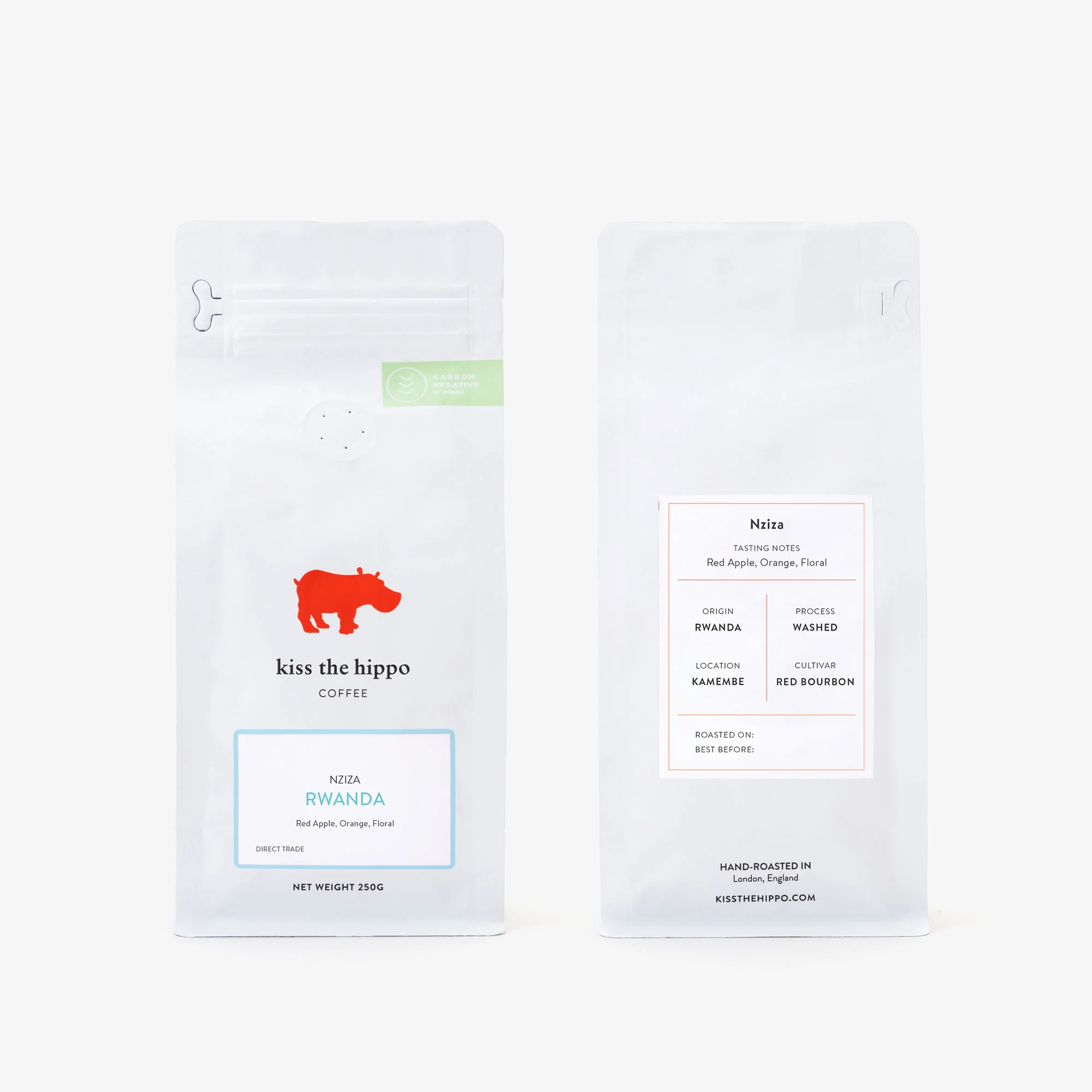
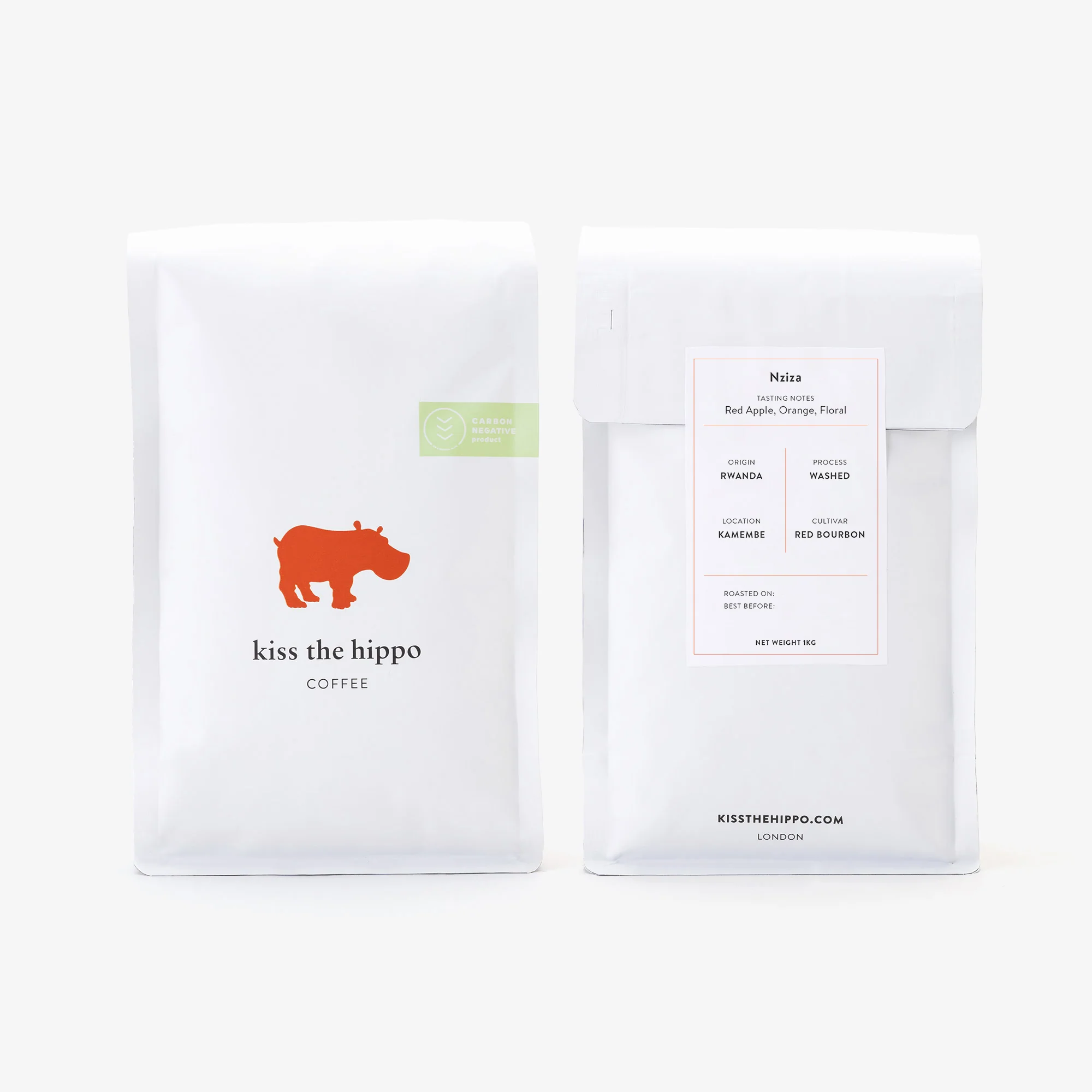
| Producer | Jean Paul |
| Farm/Mill | Liza Mill |
| Cultivar | Red Bourbon |
| Process | Washed |
| Location | Kamembe |
| Altitude | 1,600 - 1,800 masl |
| Harvest | April - July |
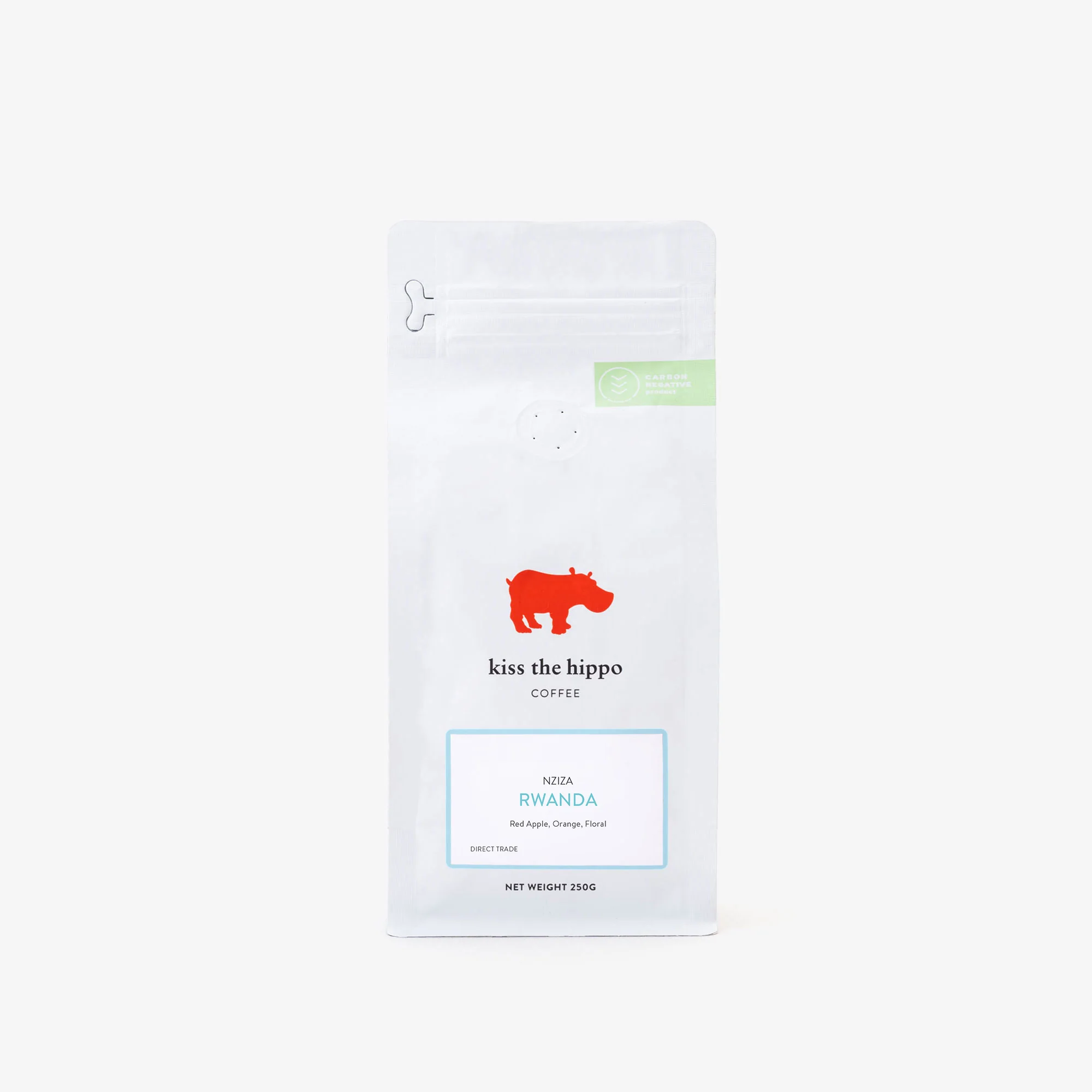
Expect notes of Apple, Orange, Floral.


Our Rwandan direct trade processing set is back again for the second year in a row! Similar to how exceptional wineries can turn the same grape harvest from a vineyard into distinctively different wines, exceptional coffee mills can do the same with coffee cherries.
Jean Paul is the founder of the Liza mill, named after his daughter. In fact, all four of these lots are named after Jean Paul’s children: Nziza, Buki, Iza and Keza. The washed, honey, natural and anaerobic natural lots are returning. They’re all great, but Nziza in particular exemplifies what we love about Rwandan coffee – vibrant, fruity, and incredibly invigorating. A classic washed Rwandan coffee.
With this series, Jean Paul examines each of the various processing methods while utilising coffee from a single cherry lot, demonstrating how the mill can change and transform coffee. The goal of this series is to showcase how exciting and skilled individuals like Jean Paul are in the coffee industry. After all, the role of a coffee producer encompasses many people in the coffee chain, and it goes beyond simply growing coffee.
Washed is a method of processing coffee beans that involves removing the outer skin and pulp of the coffee cherry, then soaking the beans in water to ferment and remove the remaining fruit layers.
After the outer layers are removed, the beans are left covered in a sticky, sugary substance called mucilage. To remove the mucilage, the beans are usually placed in large tanks or vats of water and allowed to ferment for a period of time, typically between 12 and 48 hours. During this time, enzymes break down the mucilage, allowing it to be washed away.
Once the fermentation process is complete, the beans are rinsed with water to remove any remaining debris and then dried, either by sunlight or using mechanical dryers. This process results in a coffee that is clean and bright, with a more pronounced acidity and lighter body than other processing methods. It also allows for the flavour of the coffee to be more directly influenced by the terroir and growing conditions of the coffee trees.
Original: $28.43
-65%$28.43
$9.95Product Information
Product Information
Shipping & Returns
Shipping & Returns
Description
| Producer | Jean Paul |
| Farm/Mill | Liza Mill |
| Cultivar | Red Bourbon |
| Process | Washed |
| Location | Kamembe |
| Altitude | 1,600 - 1,800 masl |
| Harvest | April - July |
Expect notes of Apple, Orange, Floral.
Our Rwandan direct trade processing set is back again for the second year in a row! Similar to how exceptional wineries can turn the same grape harvest from a vineyard into distinctively different wines, exceptional coffee mills can do the same with coffee cherries.
Jean Paul is the founder of the Liza mill, named after his daughter. In fact, all four of these lots are named after Jean Paul’s children: Nziza, Buki, Iza and Keza. The washed, honey, natural and anaerobic natural lots are returning. They’re all great, but Nziza in particular exemplifies what we love about Rwandan coffee – vibrant, fruity, and incredibly invigorating. A classic washed Rwandan coffee.
With this series, Jean Paul examines each of the various processing methods while utilising coffee from a single cherry lot, demonstrating how the mill can change and transform coffee. The goal of this series is to showcase how exciting and skilled individuals like Jean Paul are in the coffee industry. After all, the role of a coffee producer encompasses many people in the coffee chain, and it goes beyond simply growing coffee.
Washed is a method of processing coffee beans that involves removing the outer skin and pulp of the coffee cherry, then soaking the beans in water to ferment and remove the remaining fruit layers.
After the outer layers are removed, the beans are left covered in a sticky, sugary substance called mucilage. To remove the mucilage, the beans are usually placed in large tanks or vats of water and allowed to ferment for a period of time, typically between 12 and 48 hours. During this time, enzymes break down the mucilage, allowing it to be washed away.
Once the fermentation process is complete, the beans are rinsed with water to remove any remaining debris and then dried, either by sunlight or using mechanical dryers. This process results in a coffee that is clean and bright, with a more pronounced acidity and lighter body than other processing methods. It also allows for the flavour of the coffee to be more directly influenced by the terroir and growing conditions of the coffee trees.