
Colombia, Popayan Decaf
| Producer | Popayan Co-operative |
| Farm/Mill | Popayan |
| Cultivar | Castillo & Caturra |
| Process | Washed, |
| Location | Cauca, Colombia |
| Altitude |
|
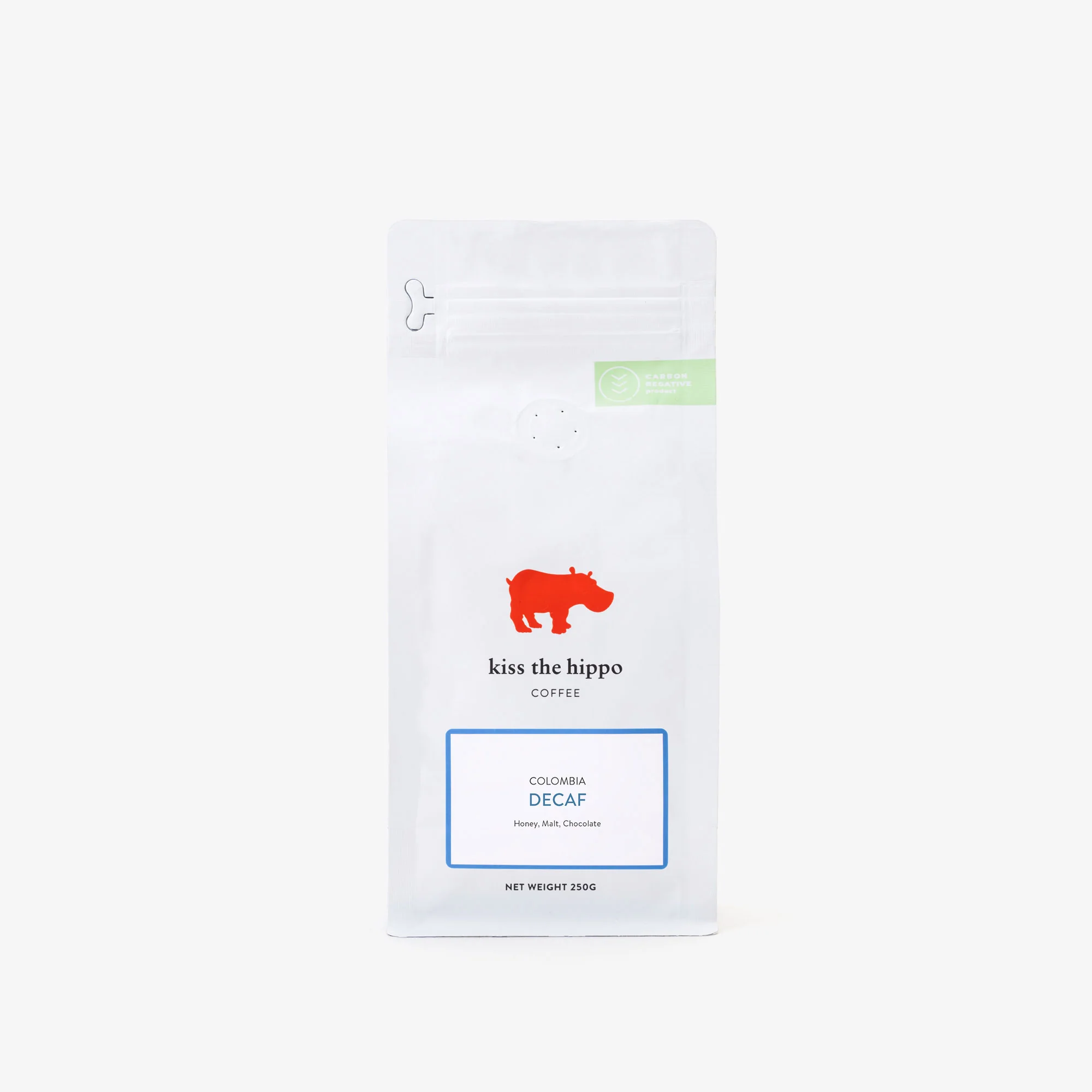
Expect notes of Honey, Malt, Chocolate.

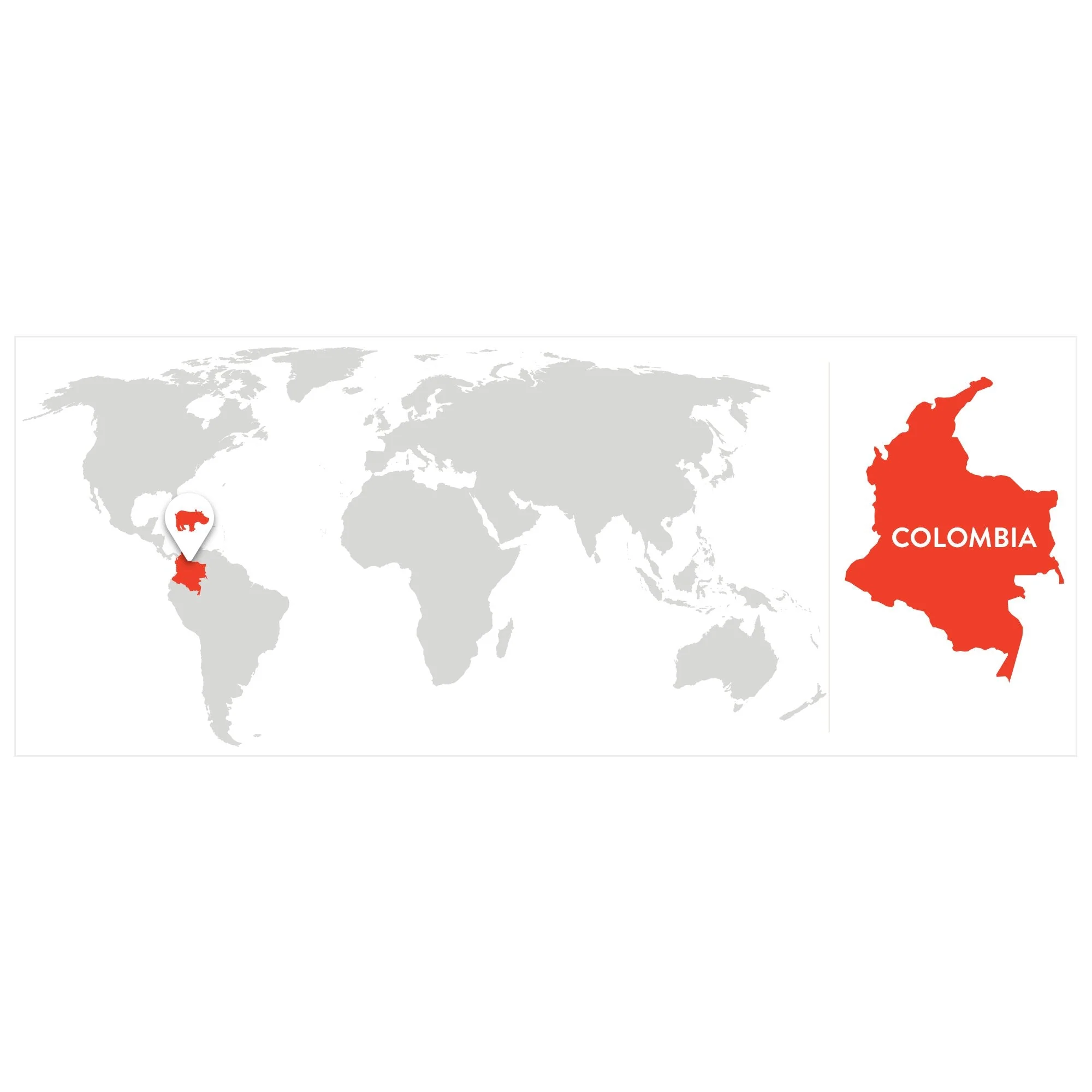
Popayán is located in the Cauca department of Colombia, at an altitude of 1,700 meters above sea level. The Meseta de Popayán is sheltered by the Andes Mountains, which helps to create a uniform climate and altitude. This coffee is a mix of Castillo and Caturra varieties, which undergoes a typical washed process where cherries are floated and sorted before being pulped and washed to remove all the cherry and mucilage. Parchments of coffee are then placed on patios to dry over the course of 20+ days.
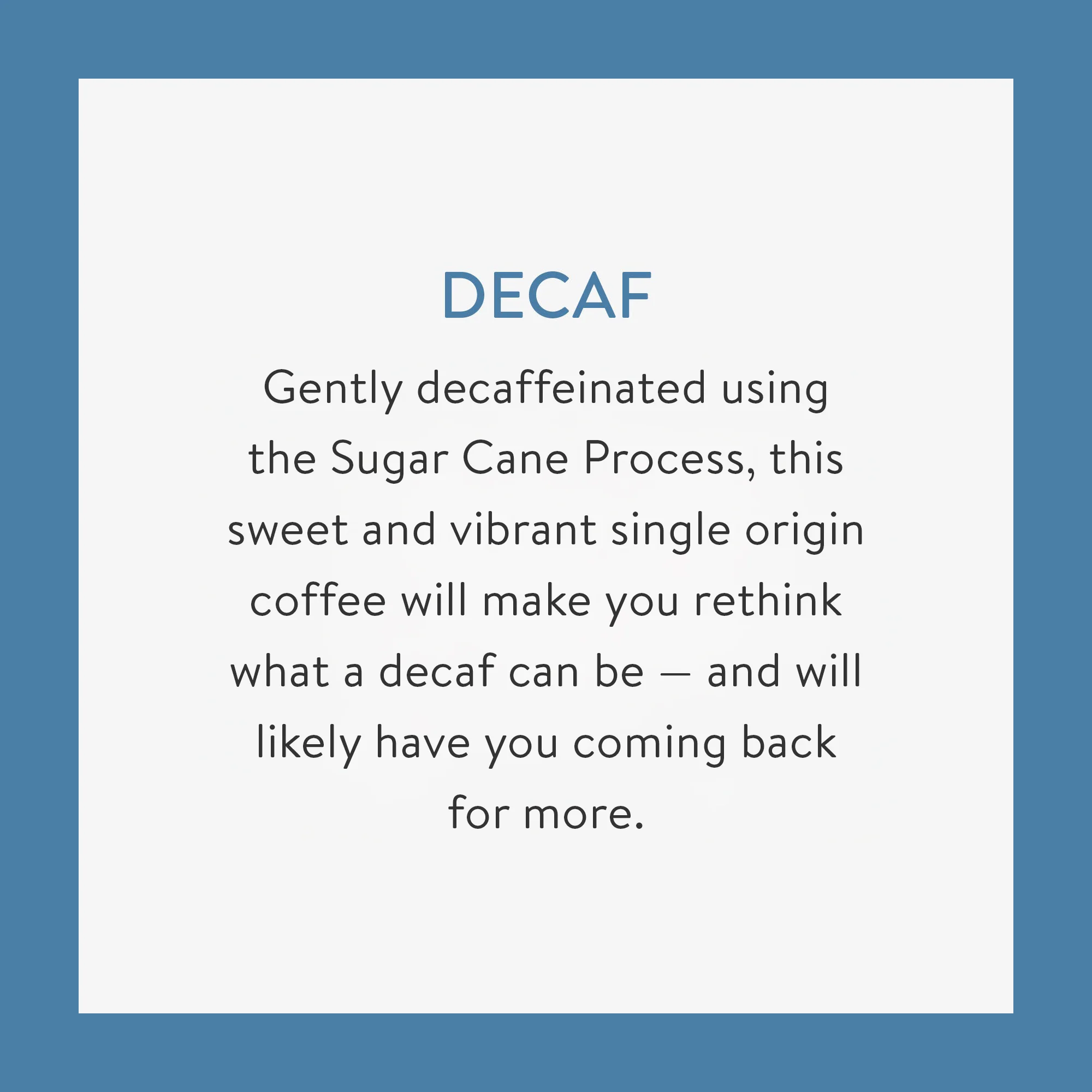
After this first washed process, the milled coffee is delivered to Descafecol in Manizales, where it is decaffeinated using the sugar cane process. The green coffee beans are put into a steam chamber where their silver skin is removed, then submerged in spring water. As soon as the coffee is saturated with water, it is sent to the extractors where the beans have direct contact with ethyl acetate – a natural byproduct created in the production of sugar cane refining – for eight hours, dissolving the caffeine content. After this, the then-decaffeinated coffee is dried in a chamber to reach the same moisture content which it had prior to the process.
The ethyl acetate can be reused a number of times before it is sent on for refinement, and the resulting caffeine is then dried and sold to other industries such as pharmaceuticals and energy drinks manufacturers.
Unlike Swiss Water decaffeination, where the coffee is grown in origin countries but then shipped to facilities in Germany or elsewhere in Europe for decaffeination before making its way to the UK, this coffee is decaffeinated at origin in Colombia using the Sugar Cane Process. By processing at the source, we avoid multiple shipping legs, helping to reduce air miles and carbon emissions — all without compromising on quality or flavour.
Original: $24.37
-65%$24.37
$8.53Product Information
Product Information
Shipping & Returns
Shipping & Returns
Description
| Producer | Popayan Co-operative |
| Farm/Mill | Popayan |
| Cultivar | Castillo & Caturra |
| Process | Washed, |
| Location | Cauca, Colombia |
| Altitude |
|
Expect notes of Honey, Malt, Chocolate.
Popayán is located in the Cauca department of Colombia, at an altitude of 1,700 meters above sea level. The Meseta de Popayán is sheltered by the Andes Mountains, which helps to create a uniform climate and altitude. This coffee is a mix of Castillo and Caturra varieties, which undergoes a typical washed process where cherries are floated and sorted before being pulped and washed to remove all the cherry and mucilage. Parchments of coffee are then placed on patios to dry over the course of 20+ days.
After this first washed process, the milled coffee is delivered to Descafecol in Manizales, where it is decaffeinated using the sugar cane process. The green coffee beans are put into a steam chamber where their silver skin is removed, then submerged in spring water. As soon as the coffee is saturated with water, it is sent to the extractors where the beans have direct contact with ethyl acetate – a natural byproduct created in the production of sugar cane refining – for eight hours, dissolving the caffeine content. After this, the then-decaffeinated coffee is dried in a chamber to reach the same moisture content which it had prior to the process.
The ethyl acetate can be reused a number of times before it is sent on for refinement, and the resulting caffeine is then dried and sold to other industries such as pharmaceuticals and energy drinks manufacturers.
Unlike Swiss Water decaffeination, where the coffee is grown in origin countries but then shipped to facilities in Germany or elsewhere in Europe for decaffeination before making its way to the UK, this coffee is decaffeinated at origin in Colombia using the Sugar Cane Process. By processing at the source, we avoid multiple shipping legs, helping to reduce air miles and carbon emissions — all without compromising on quality or flavour.