China, Gui Ben
| Producer | Tang Xiang and Tian Cai |
| Farm/Mill |
|
| Cultivar | Catimor, P3, P4 |
| Process | Honey |
| Location | Xishuangbanna |
| Altitude |
|
| Harvest | December - March |
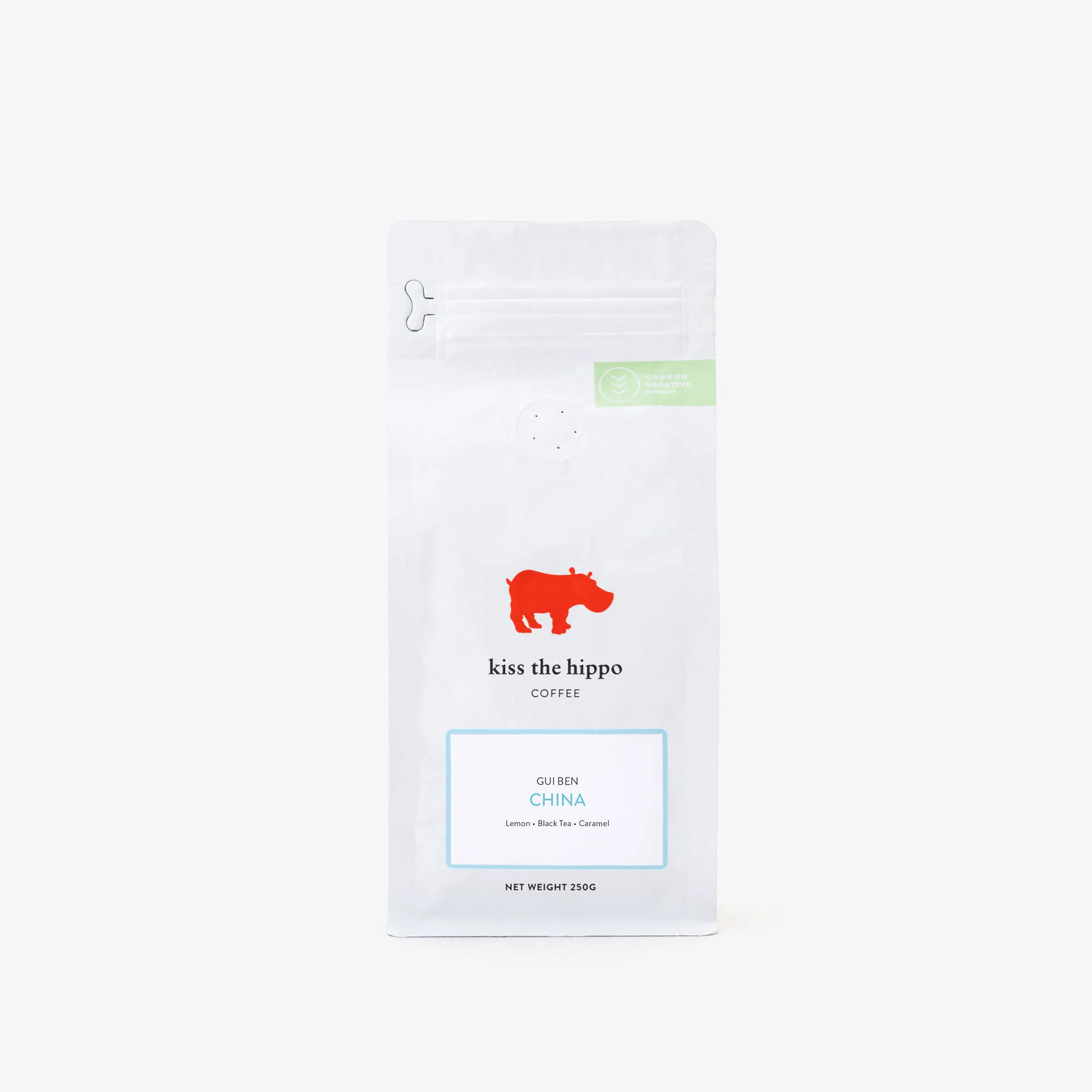
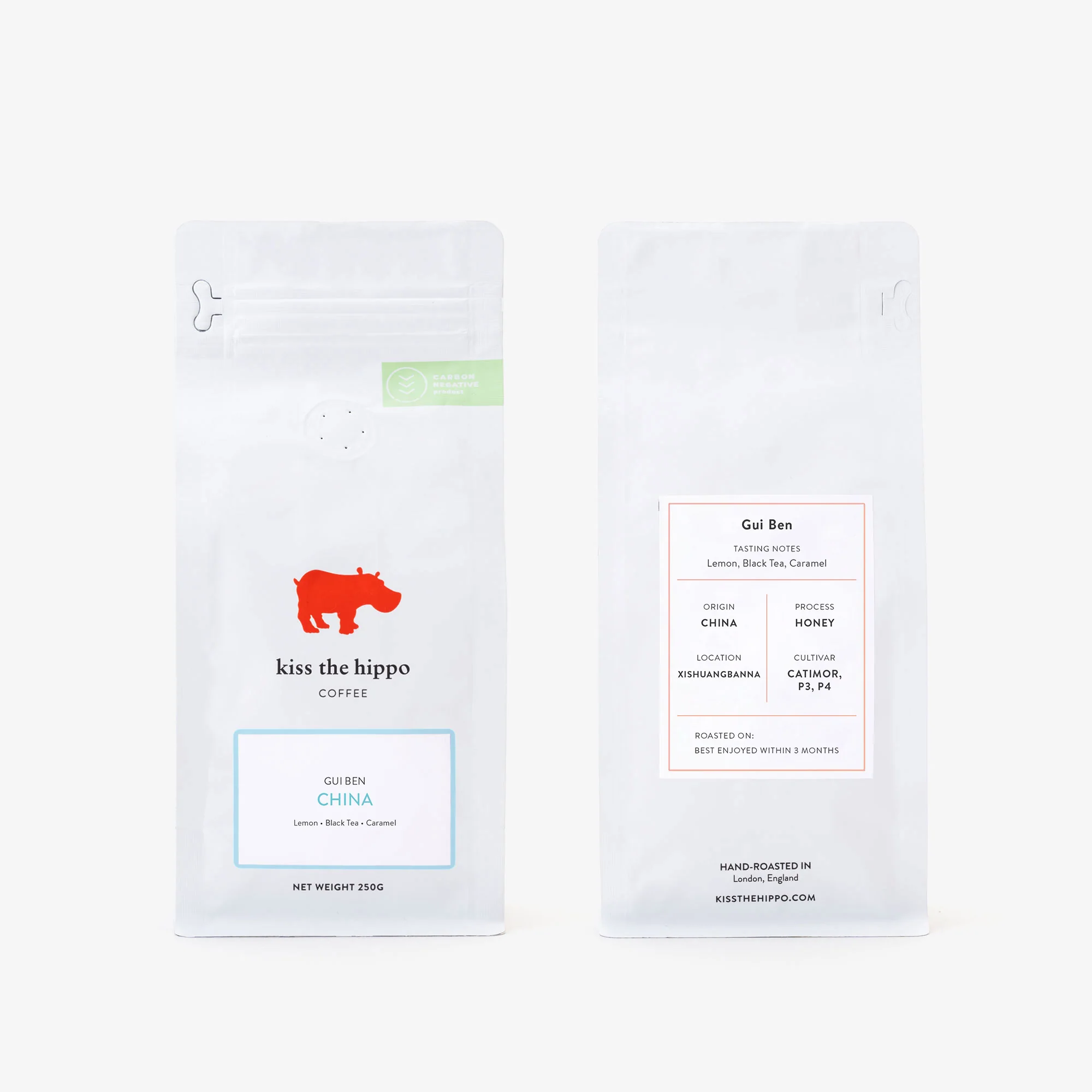
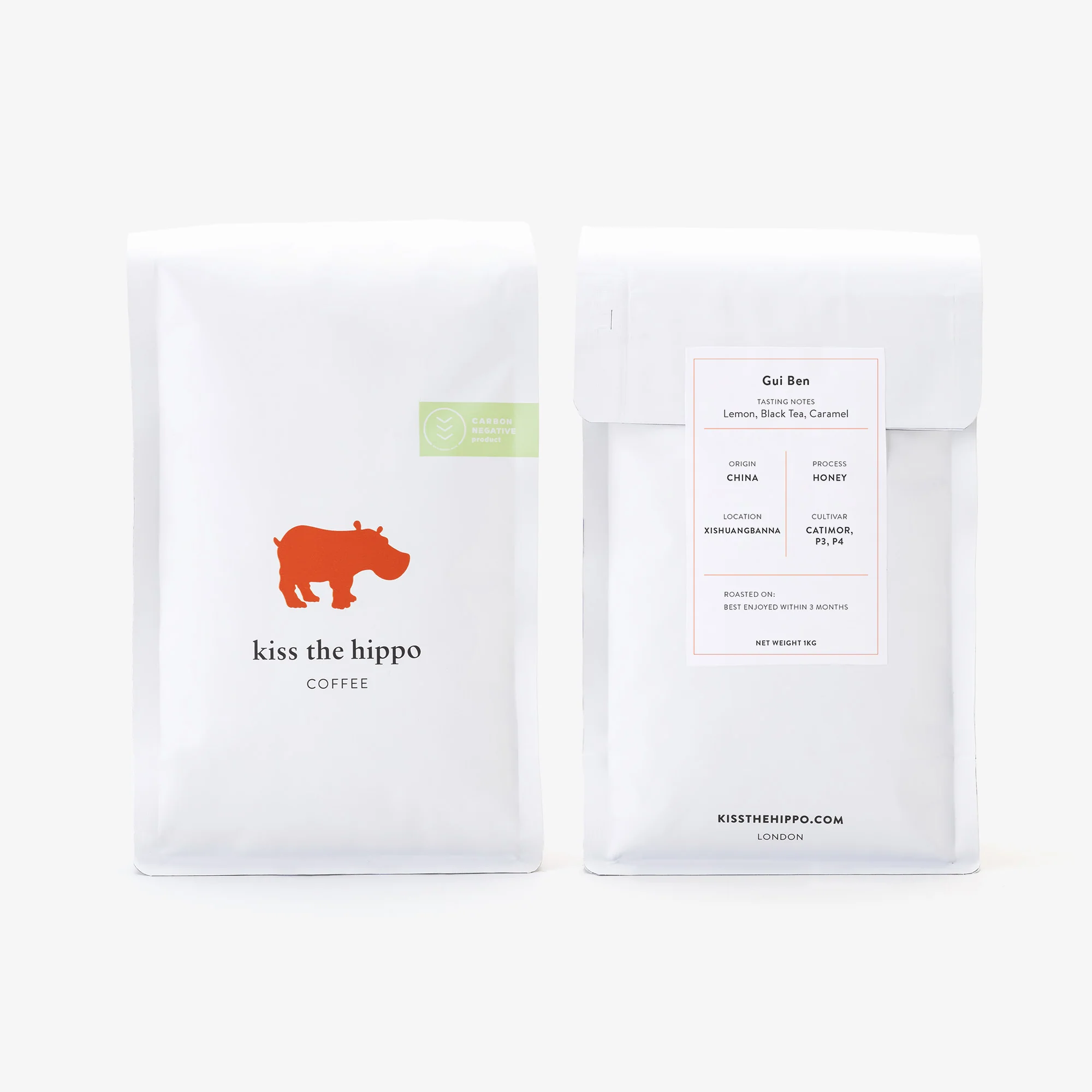
Expect notes of Lemon, Black Tea, Caramel.

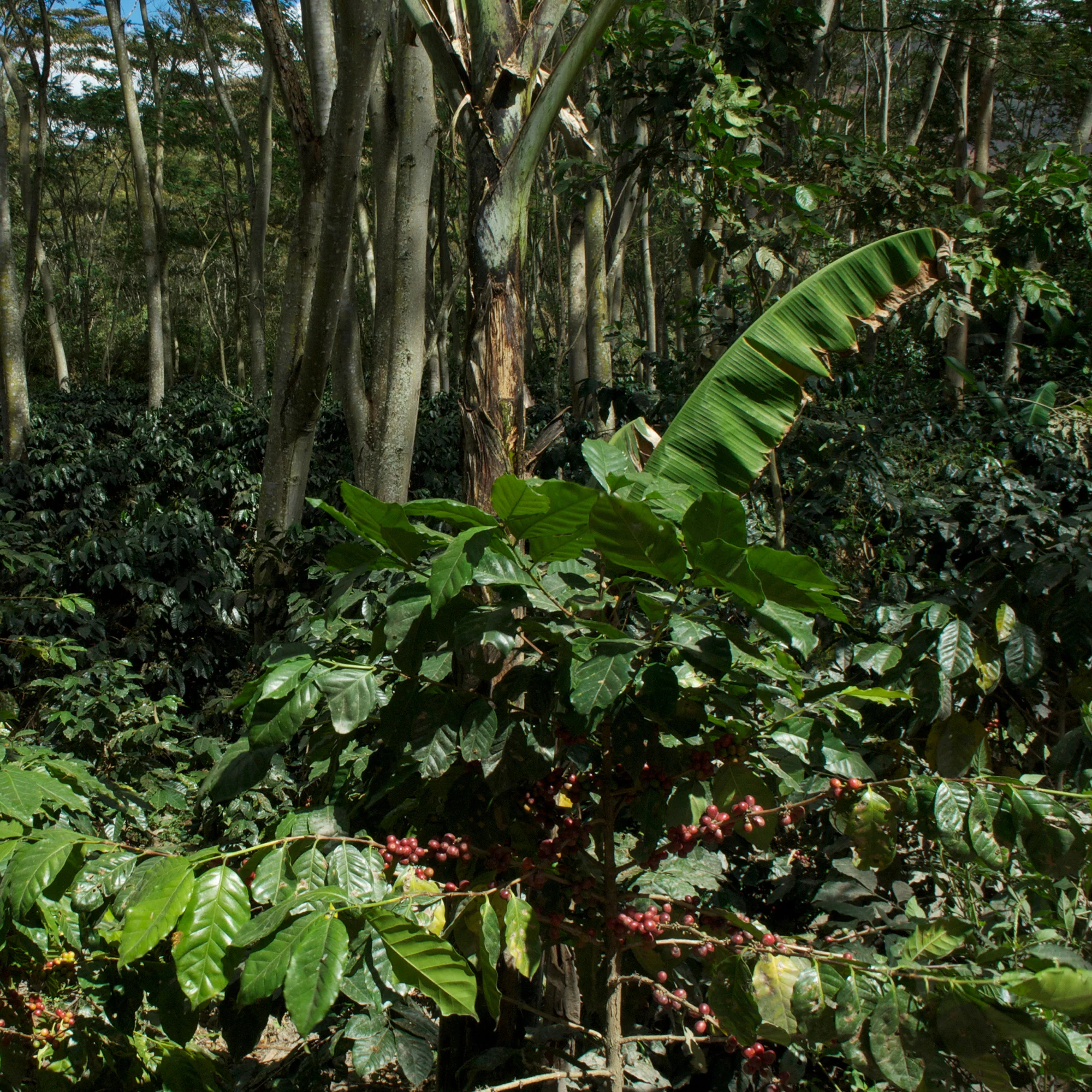
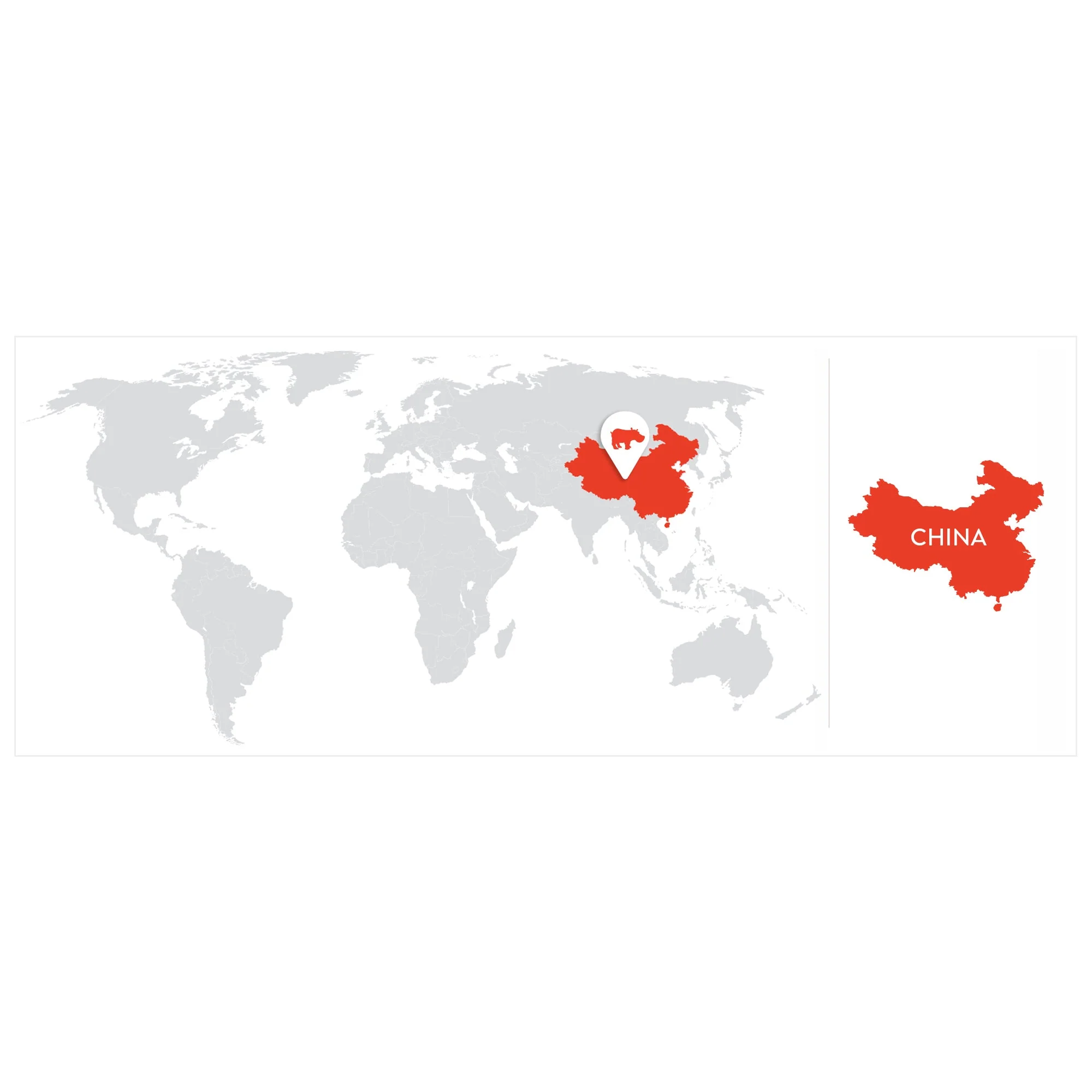
Gui Ben originates from Shigaoqing and Guiben, an area traditionally famous for its exceptional tea. Based in a remote part of Yunnan, east of Pu’er City and close to the Laos border, the production of this coffee is spearheaded by Mr Tian Cai, who is the Farm Operations Manager for Yunnan Coffee Traders (YCT) – with family member Mr Tang managing the farm operations on a day-to-day basis. They belong to a small group of farmer families in the Guiben region of the Yunnan province. Cherries are grown by these farms as well as purchased directly from nearby smallholder farmers.
Honey processing can vary from mill to mill. Here at Gui Ben, the cherries are firstly dry pulped to remove the outer skin and pulp of the fruit. However, the mucilage is left behind, leaving a sticky layer – much like honey – on the bean. The coffee beans are then spread thinly across raised beds for two or three days, before being grouped into thicker layers and left to dry for another 25 days prior to milling.
Original: $28.43
-65%$28.43
$9.95Product Information
Product Information
Shipping & Returns
Shipping & Returns
Description
| Producer | Tang Xiang and Tian Cai |
| Farm/Mill |
|
| Cultivar | Catimor, P3, P4 |
| Process | Honey |
| Location | Xishuangbanna |
| Altitude |
|
| Harvest | December - March |
Expect notes of Lemon, Black Tea, Caramel.
Gui Ben originates from Shigaoqing and Guiben, an area traditionally famous for its exceptional tea. Based in a remote part of Yunnan, east of Pu’er City and close to the Laos border, the production of this coffee is spearheaded by Mr Tian Cai, who is the Farm Operations Manager for Yunnan Coffee Traders (YCT) – with family member Mr Tang managing the farm operations on a day-to-day basis. They belong to a small group of farmer families in the Guiben region of the Yunnan province. Cherries are grown by these farms as well as purchased directly from nearby smallholder farmers.
Honey processing can vary from mill to mill. Here at Gui Ben, the cherries are firstly dry pulped to remove the outer skin and pulp of the fruit. However, the mucilage is left behind, leaving a sticky layer – much like honey – on the bean. The coffee beans are then spread thinly across raised beds for two or three days, before being grouped into thicker layers and left to dry for another 25 days prior to milling.